
Testing
We, at Hatco, recognize that the products we sell to our customers experience extreme conditions-including high levels of corrosion, heat, and pressure. As such, to ensure performance under these extreme environments, we offer a full spectrum of destructive and non-destructive testing. In this regard, our testing protocols guarantee that products ranging from round bars to forged fittings, seamless pipes, and custom-made parts are of utmost strength, strength, and dependability
Why Testing Matters?
High-specification materials that we provide are built to endure extreme conditions of operations. Through intense testing, we can verify the ability of the core material, mostly metal-based, to endure stress and ensure our clients have complete confidence in the performance of our products before being used on-site.
Our testing protocols, both destructive and non-destructive, follow internationally recognized standards, ensuring that each product’s quality and integrity are meticulously examined. Whether you’re working in oil and gas, chemical processing, or any other industrial sector, our testing guarantees the durability and reliability of our materials.
Destructive Testing
Destructive testing involves intentionally destroying or altering the material to see how it acts when it faces high-stress levels. Although it cannot be done, it is highly necessary to discover the extent of the performance of a material. The point of failure can offer excellent information concerning a material.
We perform the following destructive tests.
- Product Analysis
- G48 Corrosion Test
- Micrographic Examination
- Ferrite and Phase Count
- Charpy Impact Test
- Tensile Test
Benefits of Destructive Testing:
- It gives necessary information about the strengths, weaknesses, and reliability of the performance of materials
- Results delivered through destructive test techniques are very precise
- They are applied during the research and developmental stages of production
Non-Destructive testing
The methods of NDT are critical components of our quality control processes, as they enable us to inspect materials without damaging them in the process, which ensures product integrity while delivering real-time information on their conditions. This is the backbone of most industries that demand safety and reliability, such as pipelines, power plants, and manufacturing
Common NDT methods we employ include:
- Dye Penetrant Testing (In-House)
- Ultrasonic Testing.
- Hardness Check (In-House)
- Ferrite Check (In-House).
- PMI (Positive Material Identification, In-House)
- X-Ray Testing.
Advantages of NDT:
- The test sample remains intact, as it proceeds without damaging the material to be tested.
- There is no need to replace or dispose of material since the sample remains undamaged.
- These methods are generally faster and more efficient.
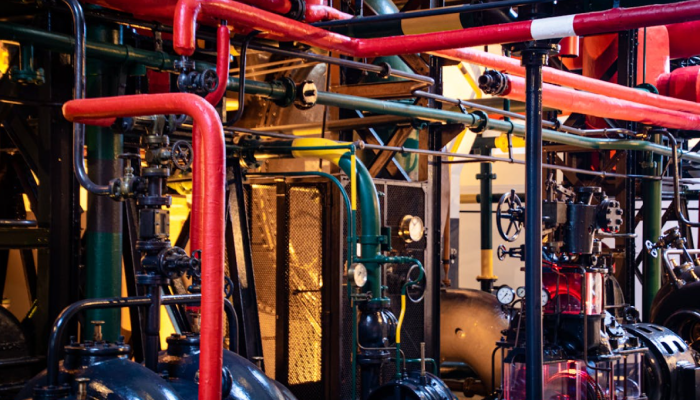
In-house testing facilities
We have in-house testing facilities that are equipped to carry out various NDTs in all our warehouses. This not only speeds up the testing process but also reduces costs for our clients.
By testing materials, we provide faster turnaround times and offer the possibility to deliver high-quality products to match your deadline needs. Moreover, we adhere very strictly to standards of ASTM, ASME, and international requirements, including those of Norsok MDS, Shell MESC, and Exxon Mobil specifications.
Compliance with International Standards
We maintain our quality assurance commitment through maintaining adherence to a broad set of international standards and certifications. Our testing is done in accordance with worldwide requirements, such as those from these organizations :
- American Society for Non-Destructive Testing (ASNT)
- International Committee for Non-Destructive Testing (ICNDT)
- European Federation for Non-Destructive Testing (EFNDT)
- British Institute of Non-Destructive Testing (BINDT)
It makes sure that we meet the standards of the industries and provide safe, reliable, and fit-for-purpose materials to clients all over the world.