


Materials
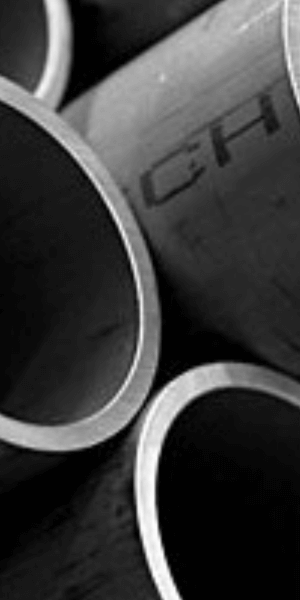
Stainless Steel
A versatile and one of the most durable materials, stainless steel has become essential in food processing industries, oil & gas, and medical technology. This alloy, with iron, chromium, and carbon, is made fit for use in a wide variety of applications that cut across various industries. Stainless steel is a material that continues to support technological and industrial advancements, maintaining its shine and resilience even under extreme conditions.
What is Stainless Steel?
This is an iron alloy that contains a minimum of 10.5% chromium by mass. What is important about this amount of chromium is that, in reaction with oxygen in the air, creates a thin layer of chromium oxide at the surface, which serves as a sort of protection mechanism against corrosion in the steel. This protection ensures stainless steel stays well resistant to rust even under conditions of moisture and harsh environments.
Other alloying elements apart from chromium, in stainless steel include nickel, molybdenum, manganese, silicon, and in some cases titanium. These other properties include better toughness, formability, resistance to cryogenic, and better corrosion resistance.
Why Choose Stainless Steel?
Stainless steel is a manufactured product with many advantages that make it a crucial material in many sectors:
- Resistance to Corrosion: Chromium in the alloy leads to a protective oxide layer formation, allowing stainless steel to be extremely resistant to oxidation and corrosion.
- High Strength and Durability: Stainless steel pipe resists losing structural integrity or strength under either extreme heat or extreme cold.
- Weldability and Formability: Most grades of stainless steel are very weldable and can be shaped into complex shapes without losing their mechanical properties.
Various kinds of stainless steel
Stainless steel is a broad family of alloys that can be divided into five main types, each having distinctive characteristics suited for different applications.
1. Ferritic Stainless Steel
Ferritic stainless steels are ferromagnetic alloys that contain essentially chromium (usually 10.5-30%) and very low carbon content (less than 0.10%).
2. Austenitic Stainless Steel
They have high percentages of nickel (8-10%) and manganese (2-4%) to be used to enhance their resistance to corrosion and formability.
3. Martensitic Stainless Steel
They contain greater carbon content; up to 1% which makes them harder and stronger but less corrosion-resistant. Its applications include: cutlery, valves, and turbine blades.
4. Duplex Stainless Steel
These are a blend of both austenitic and ferritic steels containing about 50% of both phases, with combined strength, better corrosion resistance to stress, and lesser cost.
5. Precipitation Hardening (PH) Stainless Steel
They add copper, niobium, and aluminum; when these alloys are exposed to heat treatment, fine particles precipitate inside them, and their strength is enhanced considerably.
Vital Industry Applications for Stainless Steel
Stainless steel pipe’s versatility allows it to be used in many applications, from domestic products to very specialized industrial equipment. Some of the most common applications include:
1. Home Products
In-home products, stainless steel pipes are used in washing machine drums, razor blades, light fixings, watches, jewelry, ornamentation, etc.
2. Construction and Civil Engineering
This industry finds extensive use of stainless steel in facades, cladding, handrails, structural parts, reinforcement, masonry support, windows, doors, and door fittings.
3. Transport
They are employed in exhaust systems, car grilles, vehicle bodywork, ship containers, tankers, marine components, railcar parts, road tankers, and refuse vehicles.
4. Chemical and Pharmaceutical Industries
Pressure vessels, piping systems, heat exchangers, process equipment, reactors, tanks, pharmaceutical containers, and mixing systems require high-quality stainless steel pipes.
5. Health care
Stainless steel is an uncompromised element in surgical instruments, implants, prosthetic devices, MRI scanners, hospital equipment, surgical instruments, medical valves, and catheters.
Selecting the right grade of stainless steel for the job
It is very crucial to choose the correct stainless steel grade for any project to ensure it performs satisfactorily and lasts long. Some considerations when choosing the right stainless steel grade include:
- Resistance to corrosion depending on the environment
- Material’s temperature as well as how much stress it will be subjected to
- Welding or fabrication is needed
- How long the material is expected to last
Harnessing Stainless Steel for Peak Performance with Hatco
Stainless steel remains to be one of the most robust, versatile, and cost-effective materials for use in a vast array of applications. Whether you want a rust-resistant material for a highly corrosive environment or strong, durable steel to withstand extreme temperatures, stainless steel is the one.
At Hatco, your trusted stainless steel pipe supplier for industrial use, we are dedicated to driving industrial excellence with the most advanced materials, ensuring optimal strength, durability, and unparalleled corrosion resistance.