


Industries
Shipping
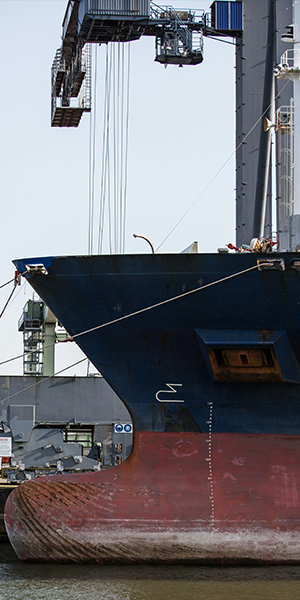
The international shipping sector is at the heart of the global economy and accounts for about 90% of world trade. Without this important industry, most raw materials, food, and manufactured goods could not be transported in bulk and would therefore become unaffordable for much of the global population. Global trade remains buoyant because of increasing demand, competitive shipping costs, progress in operational efficiency, and ongoing economic liberalization.
The Shipping Industry and the Critical Role Played by Piping Systems
The operation of a ship cannot function without shipping piping solutions, which fulfill many critical needs. These piping systems comprise:
- Bilge Systems: They remove unwanted water from the hull of the ship.
- Ballast Systems: Regulating a ship’s stability by controlling water flow in ballast tanks
- Fire Suppression: Sprinkler systems to suppress fires and protect the vessel
- CO2 Piping: Facilitate the safe transfer of CO2 for various systems aboard
- Engine Cooling: Controls the heat in ship engine systems.
Depending on their use, shipping piping solutions vary. Some piping materials like plastic and mild steel are usually used in non-critical applications. Stainless steel, however, is used for pipes that carry hazardous or highly corrosive substances since it is very strong and resistant to corrosion.
Why does Stainless Steel Dominate the Shipping Industry?
For over 150 years, steel has been the go-to material for shipbuilding because of its mechanical strength, affordability, and durability in hostile maritime conditions. Adding molybdenum to certain grades of steel, like 316 and 316L, provides them with superior corrosion resistance against saltwater and other aggressive agents, making them ideal for use in piping and structural parts of a ship.
For over 150 years, steel has been the go-to material for shipbuilding because of its mechanical strength, affordability, and durability in hostile maritime conditions. Adding molybdenum to certain grades of steel, like 316 and 316L, provides them with superior corrosion resistance against saltwater and other aggressive agents, making them ideal for use in piping and structural parts of a ship.
Structural Applications of Stainless Steel
- Double Hulls: The law now requires crude oil tankers to have double hulls, thereby reducing the chances of oil spills. Stainless steel is used in the production of corrosion-resistant steel plates for these hulls.
- Structural Steel Plates: Lighter and stronger steel reduces the weight of the ship, which results in less fuel consumption and subsequently less CO2 emissions.
Duplex Stainless Steel: A Trend on the Rise
There are a few reasons why Duplex Stainless Steels have gained immense interest in the shipping industry over the past years:
- Good Corrosion Resistance: Duplex steels are quite suitable for marine use, dealing with a wide variety of liquids and chemicals.
- High Strength: Engineer designers can reduce the use of walls and structural profiles within these steels, cutting down dramatically on weight—up to 40% in some instances.
- Customizable Profiles: Duplex stainless steel can be produced in a wide range of shapes and sizes to suit the needs of any project.
- Easy Welding: Their excellent welding properties make them ideal for complex shipbuilding projects.
- Duplex steel’s incredible strength, durability, and lightweight properties are changing the way ships are built, making them more fuel-efficient and environmentally friendly.
The Impact of LNG on Shipbuilding Materials
The growth of LNG has further surged the demand for the best Piping Solutions for shipping industry. Giant-sized LNG carriers which are specifically tailored to carry this liquefied natural gas strictly depend on modern materials that support extreme conditions from the storage as well as carrying cryogenic matter.
Nickel steel alloys have been particularly successful in this category, providing unprecedented resistance to extremely low temperatures. These alloys play a critical role in the safe storage and transportation of LNG, ensuring that storage tanks and other critical structures within these vessels remain intact.
Hatco: A Supplier with Its Clients' Trust
With increasing demand for high-performance materials in the shipping industry, Hatco will continue to provide high-quality stainless steel products to shipbuilders and manufacturers. The company offers pipes, fittings, and flanges sourced from well-established and experienced mills around the world.
We do not only offer the best Piping Solutions for shipping industry but also professional consultancy to ensure the right products for each project. Comprehensive services also involve conducting necessary tests to ensure that the materials operate reliably under tough maritime conditions.
Through this cooperation with Hatco, shipbuilders and engineers can make sure that what they choose meets their requirements: a reliable partner in offering high-performance piping solutions designed and tailored for shipping.